Heypo: A Handwritten Font That’s Changing the Game
In a world where digital communication is increasingly visual and expressive, typography has become more than just a design element—it's a language. One font that has been making waves in recent years is Heypo, a sweet and friendly handwritten font that brings warmth, personality, and character to any project. Whether you're a creative professional, marketer, or small business owner, Heypo offers a unique way to connect with your audience through thoughtful and expressive design.
The Rise of Handwritten Fonts in Digital Design
As the digital landscape continues to evolve, so too do the expectations of users when it comes to visual communication. The rise of social media, branding, and personalized content has led to a growing demand for fonts that feel authentic, human, and relatable. This is where handwritten fonts like Heypo shine.
Handwritten fonts are no longer just for personal notes or casual use—they've become a powerful tool in the hands of designers, marketers, and entrepreneurs. They add a layer of emotion, creativity, and approachability that can be difficult to replicate with traditional sans-serif or serif fonts. In an age where consumers are bombarded with polished, uniform visuals, a font like Heypo can stand out by offering a more personal touch.
What Is Heypo?
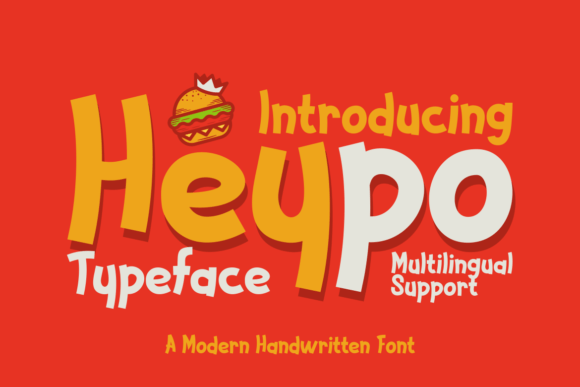
Heypo is a beautiful, hand-drawn font that captures the essence of handwriting. It features soft curves, playful strokes, and a warm, inviting style that feels both modern and nostalgic. Unlike rigid, structured fonts, Heypo embraces imperfection, giving each letter a sense of individuality and charm.
Designed for versatility, Heypo works well in a variety of contexts—from branding and packaging to web design and social media graphics. Its natural flow makes it ideal for headlines, logos, and even body text, depending on the size and application. Whether used as a primary font or a complementary accent, Heypo adds a unique visual identity that resonates with audiences.
Why Heypo Matters in Today’s Creative Landscape
The popularity of Heypo reflects a broader shift in the creative industry toward authenticity and emotional connection. As consumers become more discerning, they seek brands and content that reflect their values and personality. A font like Heypo helps bridge that gap by offering a visual language that feels genuine and approachable.
Additionally, the increasing use of AI and automation in design has led to a renewed appreciation for human-made elements. While technology can create stunning visuals, there's something irreplaceable about the warmth and character of a handwritten font. Heypo taps into this sentiment, allowing creators to infuse their work with a sense of soul and intention.
Practical Applications of Heypo
- Branding: Use Heypo for logo designs, taglines, and brand messaging to create a memorable and personable identity.
- Social Media: Incorporate Heypo into Instagram posts, TikTok captions, or email subject lines to make your content stand out.
- Web Design: Apply Heypo to headers, buttons, or call-to-action sections to guide user attention and enhance readability.
- Print Materials: From flyers to business cards, Heypo adds a tactile and visual appeal that elevates print projects.
Trends Driving the Demand for Handwritten Fonts
The surge in interest around Heypo isn't happening in a vacuum. Several key trends are shaping the current design landscape and making handwritten fonts more relevant than ever:
1. Personalization and Authenticity
Consumers today crave authenticity. They want to feel seen and understood by the brands they support. A handwritten font like Heypo helps convey this by adding a personal touch that feels less corporate and more human.
2. Minimalist and Emotional Design
While minimalism remains a dominant trend, many designers are now combining it with emotional expression. Heypo strikes this balance perfectly—its simplicity allows for clean layouts, while its warmth adds an emotional dimension that resonates with users.
3. Nostalgia and Retro Appeal
There's a growing fascination with vintage and retro aesthetics, and Heypo fits seamlessly into this trend. Its handcrafted look evokes a sense of nostalgia, making it ideal for projects that aim to evoke memories or celebrate the past.
4. Accessibility and Inclusivity
Designers are increasingly prioritizing accessibility, ensuring that their work is inclusive and easy to read. Heypo is designed with legibility in mind, making it suitable for a wide range of users, including those with visual impairments or reading difficulties.
How Heypo Fits Into the Future of Design
As we move further into the future of digital design, the role of typography will only grow more significant. With the rise of immersive experiences, interactive interfaces, and AI-driven content, the need for fonts that can adapt and evolve will be crucial.
Heypo is already proving itself as a versatile and adaptable font. Its ability to blend seamlessly into different design ecosystems—from websites to mobile apps—makes it a valuable asset for designers looking to stay ahead of the curve.
Moreover, as the line between digital and physical design continues to blur, fonts like Heypo offer a bridge between these worlds. Whether used in print or online, its expressive nature ensures that it remains relevant across multiple platforms and mediums.
Conclusion: Embrace the Warmth of Heypo
In a world where digital content is often overwhelming, Heypo offers a refreshing alternative—one that connects with people on a more personal level. Its unique style and versatility make it a powerful tool for creators, marketers, and entrepreneurs who want to stand out in a crowded market.
By choosing Heypo, you're not just selecting a font—you're embracing a new way of communicating that feels authentic, warm, and human. As the design landscape continues to evolve, fonts like Heypo will remain at the forefront, helping to shape the future of visual storytelling.