Guily: A Script Font That Elevates Branding and Communication
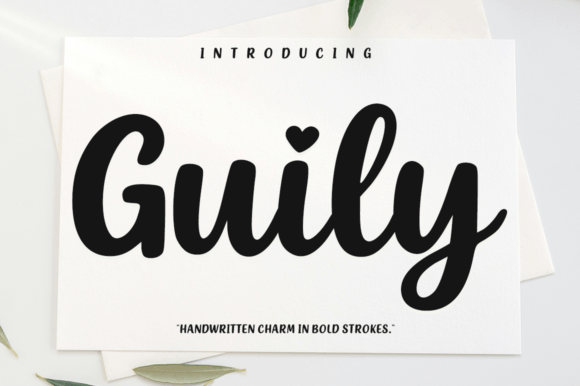
When it comes to typography, the right choice can make or break a design. In an era where visual communication is paramount, fonts are no longer just aesthetic choices—they are strategic tools that influence perception, engagement, and brand identity. Enter Guily, a daring script font that dares to stand out with its distinct handwritten flair. Designed to evoke confidence and approachability, Guily blends the warmth of handcrafted strokes with the clarity of modern typographic principles. It’s more than just a font—it’s a versatile asset for creators looking to make a lasting impression.
The Strategic Value of Guily in Branding and Design
Guily is not merely a decorative element; it is a carefully crafted solution for those who want to communicate with both style and substance. Its rounded curves and inviting structure create a sense of familiarity, making it ideal for brands that seek to build trust and connection. Whether used in headlines, logos, or social media content, Guily adds a human touch that resonates with audiences on an emotional level.
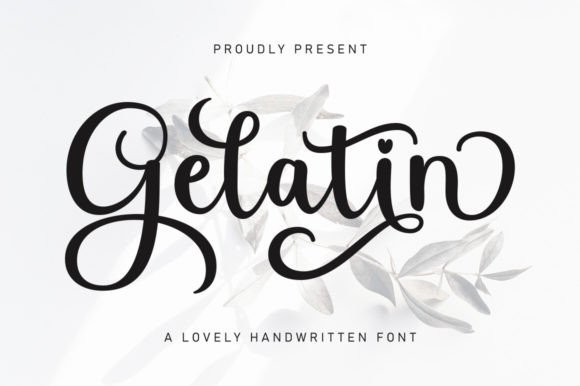
For entrepreneurs and small business owners, the right font can be a silent but powerful ally. It can differentiate your brand from competitors, reinforce your personality, and even influence customer behavior. Guily achieves this by offering a balance between playfulness and professionalism. Its playful heart-shaped dot, for instance, adds a subtle layer of character without overshadowing the message. This makes it particularly effective for lifestyle brands, creative studios, or any entity that values charm and authenticity.
How to Use Guily Effectively in Your Design Strategy
Understanding when and how to use Guily is key to maximizing its impact. While it excels in certain contexts, it may not be suitable for all. Here are some practical considerations:
- Use as a headline font: Guily’s bold strokes and fluid curves make it perfect for attention-grabbing headings. It works especially well in print and digital media where the goal is to capture interest quickly.
- Pair with sans-serif fonts: To maintain readability, pair Guily with a clean sans-serif typeface for body text. This contrast enhances legibility while keeping the design visually engaging.
- Apply in branding materials: From packaging to social media graphics, Guily can help reinforce brand identity. Its warm and affable style aligns well with industries like fashion, wellness, and education.
- Use sparingly: Overuse of script fonts can lead to visual clutter. Reserve Guily for key elements—like logos, taglines, or call-to-action buttons—to maintain focus and clarity.
Strategic use of Guily also involves considering the audience. For professionals and educators, the font’s friendly yet professional tone can foster trust and approachability. For freelancers and bloggers, it adds a personal touch that differentiates their work from generic templates.
Practical Examples of Guily in Action
Let’s explore real-world scenarios where Guily can make a difference:
Branding for a Lifestyle Brand
A boutique wellness brand might use Guily in its logo and website headers to convey warmth and individuality. The font’s rounded curves and inviting nature align with the brand’s mission of promoting self-care and community. By using Guily strategically, the brand can create a cohesive visual language that resonates with its target audience.
Social Media Content
For influencers and content creators, Guily offers a way to stand out in a crowded digital space. Using it in captions, cover images, or Instagram stories can add a unique flair that reflects their personality. However, it’s important to use it consistently and purposefully to avoid diluting its impact.
Marketing Materials
In brochures, flyers, or email campaigns, Guily can serve as a visual anchor. Its bold strokes and clear structure ensure that messages remain readable even at smaller sizes. This makes it a reliable choice for marketing collateral that needs to be both eye-catching and functional.
Considerations Before Relying on Guily
While Guily has many strengths, it’s not without limitations. Before incorporating it into your design strategy, consider the following:
- Readability at small sizes: Although Guily is designed with readability in mind, it may not perform as well at very small sizes compared to traditional serif or sans-serif fonts. Always test its legibility in different contexts.
- Cultural context: Handwritten scripts can carry different connotations depending on the audience. Ensure that Guily aligns with the cultural and linguistic expectations of your target market.
- Consistency: Like any design element, Guily should be used consistently across all platforms. Mixing it with other fonts without a clear hierarchy can confuse users and weaken brand recognition.
By approaching Guily with intention, you can harness its full potential without compromising clarity or effectiveness.
Guily as a Tool for Long-Term Brand Success
Typography is often overlooked in favor of more visible aspects of branding, but it plays a crucial role in shaping perceptions. Guily offers a unique opportunity to create a memorable and emotionally resonant brand identity. Its thoughtful design ensures that it remains relevant across various applications, from digital content to physical products.
For decision-makers and professionals, the ability to choose the right font is part of a broader strategic framework. Guily supports this by offering a versatile solution that aligns with goals such as enhancing brand visibility, improving user engagement, and fostering emotional connections with customers.
Conclusion
Guily is more than just a font—it’s a strategic tool that can elevate your design efforts and strengthen your brand presence. By understanding its strengths, limitations, and appropriate use cases, you can leverage it to achieve better results in communication, creativity, and customer experience. When used intentionally, Guily becomes a powerful asset that helps you stand out in a world where first impressions matter more than ever.