Crayon Hand: A Strategic Tool for Creative and Practical Expression
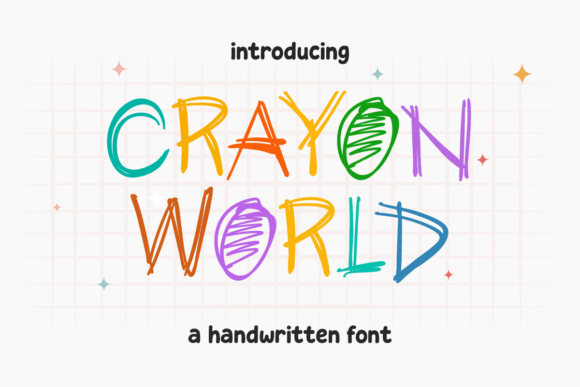
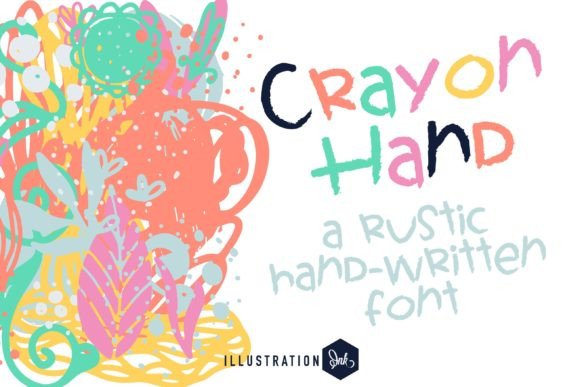
Crayon Hand is a textured, handwritten font that captures the essence of crayon on paper—rough, organic, and full of character. It’s not just another design element; it’s a strategic asset for creators who want to add warmth, personality, and visual storytelling to their work. Whether you're crafting marketing materials, designing educational content, or building a brand identity, Crayon Hand offers a unique way to connect with your audience in a more human and relatable manner.
Why Crayon Hand Matters in a Digital World
In an era dominated by sleek, digital fonts, Crayon Hand stands out by bringing a tactile, almost nostalgic quality to text. Its irregular lines and subtle textures evoke the imperfections of real handwriting, making it ideal for projects where authenticity matters. This font isn’t just about aesthetics—it's about creating emotional resonance. When used thoughtfully, Crayon Hand can help convey trust, creativity, and approachability, all of which are critical in building meaningful relationships with your audience.
Strategic Use in Branding and Communication
Branding is about more than logos and colors—it's about how your message is received. Crayon Hand can play a pivotal role in shaping that perception. For instance, educators might use it in lesson plans or handouts to create a more personal feel, while small business owners could incorporate it into signage or packaging to differentiate themselves from competitors. The key is to align the font with your brand voice and audience expectations.
Consider a local bakery that wants to stand out in a crowded market. Using Crayon Hand on their menu cards or social media posts can give their brand a friendly, artisanal vibe that resonates with customers looking for a warm, community-focused experience. This kind of intentional design choice supports long-term branding goals by reinforcing a consistent and memorable identity.
Practical Applications Across Industries
The versatility of Crayon Hand makes it suitable for a wide range of applications. From creative writing to instructional materials, its informal yet expressive style can enhance readability and engagement. Here are some practical examples:
- Marketing Collateral: Use Crayon Hand for headlines or call-to-action buttons to draw attention and encourage interaction.
- Education: Teachers can use it in worksheets or student projects to make learning more engaging and less rigid.
- Freelance Work: Designers and writers can incorporate it into proposals or presentations to showcase a personal touch.
- Content Creation: Bloggers and YouTubers might use it in titles or captions to add visual interest and break up text.
Each of these scenarios demonstrates how Crayon Hand can be strategically applied to improve communication, foster connection, and support specific objectives. The goal is not to use it everywhere, but to deploy it where it adds value and enhances the overall message.
When to Use Crayon Hand and What to Consider
Before incorporating Crayon Hand into your projects, consider the context and purpose. It works best in situations where a personal, handcrafted feel is desired. However, it may not be suitable for formal documents, legal texts, or professional reports where clarity and precision are paramount.
Also, pay attention to contrast. Since Crayon Hand has a textured appearance, ensure it complements other design elements without overwhelming them. Pairing it with clean, modern fonts can create a balanced and visually appealing composition.
Another important consideration is accessibility. While Crayon Hand adds character, it should still be legible at various sizes. Test it across different platforms and devices to ensure it remains readable and effective in all contexts.
Long-Term Value and Decision-Making
Using Crayon Hand effectively requires intentionality. It’s not a quick fix or a one-size-fits-all solution. Instead, it’s a tool that, when used wisely, can contribute to long-term results. For example, a content creator who consistently uses Crayon Hand in their branding can build a recognizable style that strengthens their online presence over time.
Similarly, educators who integrate Crayon Hand into their teaching materials can create a more engaging and memorable learning experience. These choices reflect a deeper strategy—one that prioritizes impact, consistency, and meaningful outcomes.
Risks of Misuse
Like any design element, Crayon Hand can be misused. Without clear goals or context, it may become distracting or unprofessional. Overusing it in formal settings can undermine credibility, while using it randomly can dilute its effectiveness.
Moreover, relying too heavily on a single font can limit creative expression. It’s important to maintain a diverse font library that allows for flexibility and adaptability. Crayon Hand should be part of a broader design strategy, not the sole element.
Intentional Design: The Key to Success
To maximize the benefits of Crayon Hand, approach it with intention. Ask yourself: Does this font serve a specific purpose? Will it enhance the message I’m trying to convey? Is it appropriate for the audience and context?
For instance, if you’re creating a presentation for a corporate audience, Crayon Hand might not be the best choice. But if you’re designing a workshop handout for a creative group, it could be a powerful tool. The decision should always align with your goals and the needs of your audience.
Additionally, consider the broader implications of your design choices. How does Crayon Hand fit into your overall brand strategy? Does it support your messaging, values, and long-term vision? These questions help ensure that every use of the font contributes meaningfully to your objectives.
Planning for Impact
Effective use of Crayon Hand begins with thoughtful planning. Start by identifying where it can have the most impact. Then, experiment with different applications to see what works best for your project. Keep track of your successes and challenges to refine your approach over time.
For example, a small business owner might test Crayon Hand on a few marketing materials before committing to a full brand overhaul. This trial-and-error process helps identify the most effective uses and avoids potential pitfalls.
Finally, stay open to feedback. Engage with your audience to understand how they perceive Crayon Hand in your designs. Their insights can provide valuable guidance and help you make more informed decisions.
Conclusion
Crayon Hand is more than a font—it’s a strategic design tool that can elevate your work and strengthen your connection with your audience. By using it intentionally, you can create more engaging, meaningful, and impactful content. Whether you're an entrepreneur, educator, or creative professional, Crayon Hand offers a unique opportunity to express your voice and achieve better results through thoughtful design.